

When writer and filmmaker Elle Flanders talks about carrying on her mother’s work, she describes it simply:
“I’m Part B to my mother’s Part A.”
Kappy Flanders (1938-2020), governor emerita of McGill University, spent much of her later life helping to establish palliative care as a recognized field in Canada. Her daughter Elle, a filmmaker, and Elle’s sisters Judith and Susan Flanders, are carrying that mission beyond medicine and into public life.
The next step comes Oct. 6 at Pollack Hall, where the Kappy Lectures will host an evening of conversation and performance with Canadian singer-songwriter Martha Wainwright. Presented by the McGill Council on Palliative Care in partnership with the Schulich School of Music, the event will explore music, family, love, loss and artistic inheritance, while opening a broader conversation about mortality.
The choice of Wainwright is no accident. Nor was the decision to launch the lecture series two years ago with mystery writers Louise Penny and Donna Leon.
The organizers are deliberately starting somewhere people feel comfortable.
“It turned out to be both deeply engaging and surprisingly funny,” Elle said of the inaugural lecture, which attracted fans of the writers as well as people from the palliative-care community. “We realized we were succeeding in our goal: to reach people who might never attend a lecture about death and dying.”
Bringing death out of the clinic
Where the first lecture used fiction, this year’s event uses music.
Wainwright – the daughter of Loudon Wainwright III and the late Kate McGarrigle, sister of Rufus Wainwright and niece of Anna McGarrigle – offers a natural way to talk about grief, memory, family and stories passed between generations.
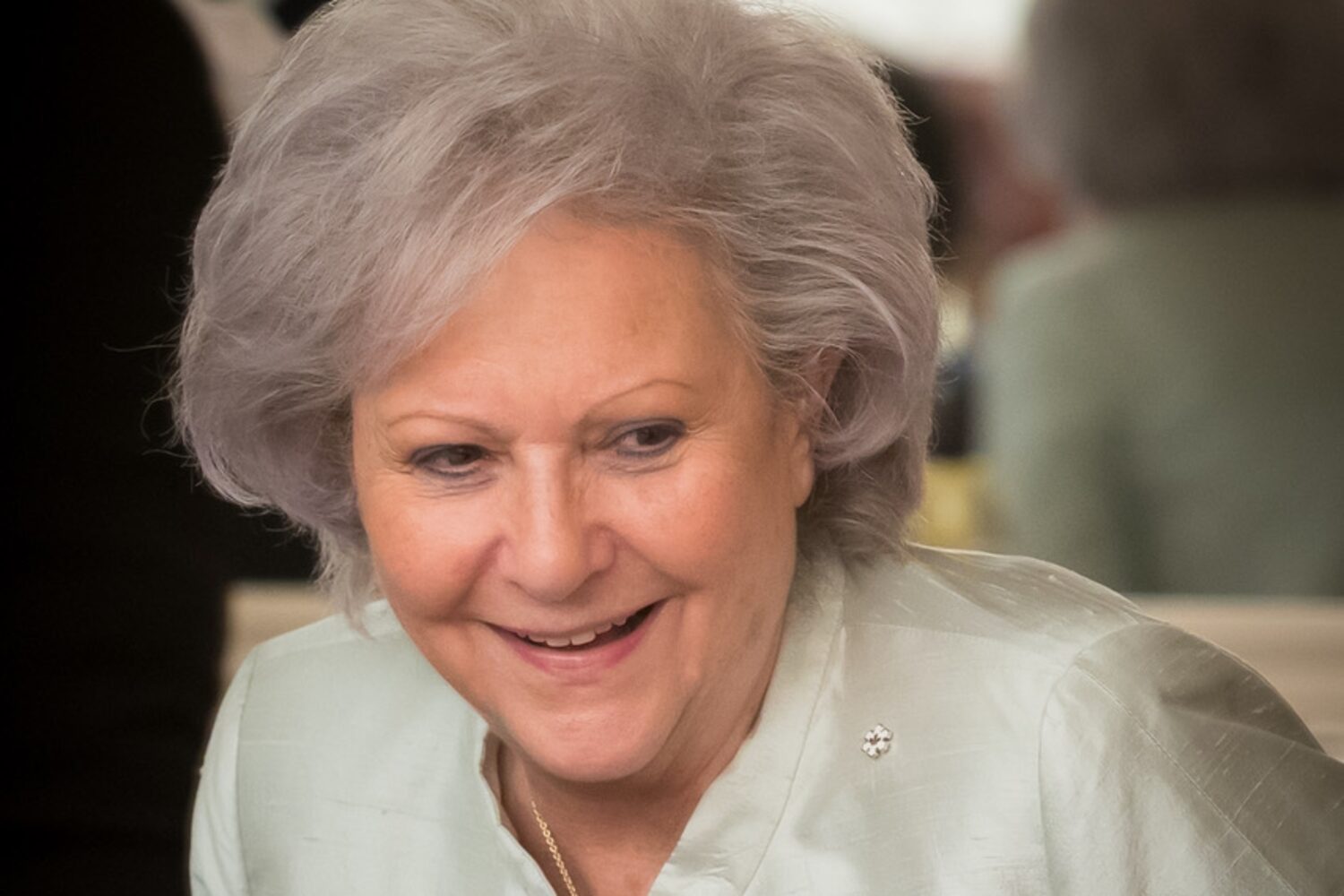
“People may come because they’re fans of Martha Wainwright,” Elle said. “But they’ll leave having engaged with questions about mortality, grief, caregiving and meaning. That makes the conversation feel natural rather than imposed.”
It is a strategy rooted in Kappy Flanders’s own public-facing approach to palliative care. Her work helped build the academic and medical foundations of the field, but her daughters say she also understood the importance of making these questions accessible beyond professional circles.
Kappy Flanders’s own interest in palliative care came from personal experience. Her husband, Eric Flanders, died of lung cancer at 59. Kappy was 52 and, as Elle recalls it, felt lost and unsupported. About a year and a half later, while caring for her mother in Jerusalem, Kappy encountered hospice and palliative care that provided a very different experience.
She asked a physician why Canada did not have something similar. She was told that it did: Dr. Balfour Mount, a pioneer of palliative medicine at McGill, was working practically around the corner from her in Montreal.
Flanders returned home, met Mount and began the work that would help establish palliative medicine as an academic discipline. She helped to create the Flanders Chair in Palliative Medicine and advanced public awareness of end-of-life care.
From A to B
For her daughters, the work now is to take the next step. Many people still encounter palliative care only when a loved one is seriously ill and the family is in crisis.
“Why would we focus only on the people already talking about these issues?” Elle asked. “They’re already informed. The people we need to reach are the ones who know very little about end-of-life care. And that is the public at large.”
That is the work of Part B.
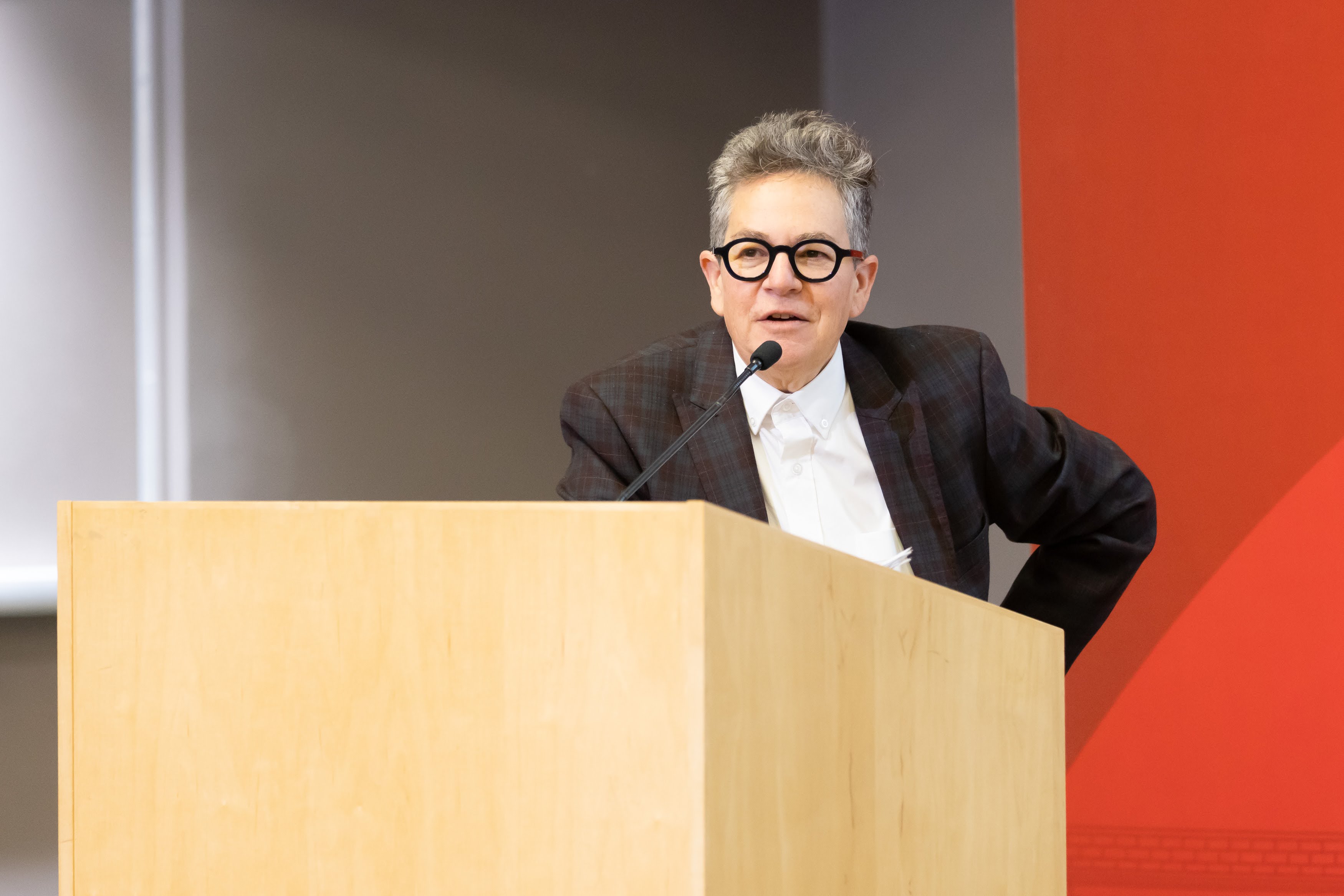
Elle is pursuing it through the Kappy Lectures, while simultaneously setting up a national organization called End of Life Care Canada to help Canadians navigate end-of-life and serious illness more easily. Judith helped shape the inaugural lecture and moderated it, while Susan has provided behind-the-scenes support.
The ambition is not simply to honour their mother, who probably would have resisted that framing.
“One of the last things she said to me was: ‘It’s not the accolades, it’s the work,’” Elle recalled.
So, the work continues.
On Oct. 6, it will take place in a concert hall rather than a clinic, through songs and stories rather than medical terminology. The hope is that audiences will come for Martha Wainwright and leave with new questions about how they want to live, care for one another and face the inevitable end of life.
For the Flanders sisters, that is precisely the point: making death part of public culture, one conversation at a time.
Learn more about the Kappy Lectures 2026 with Martha Wainwright