
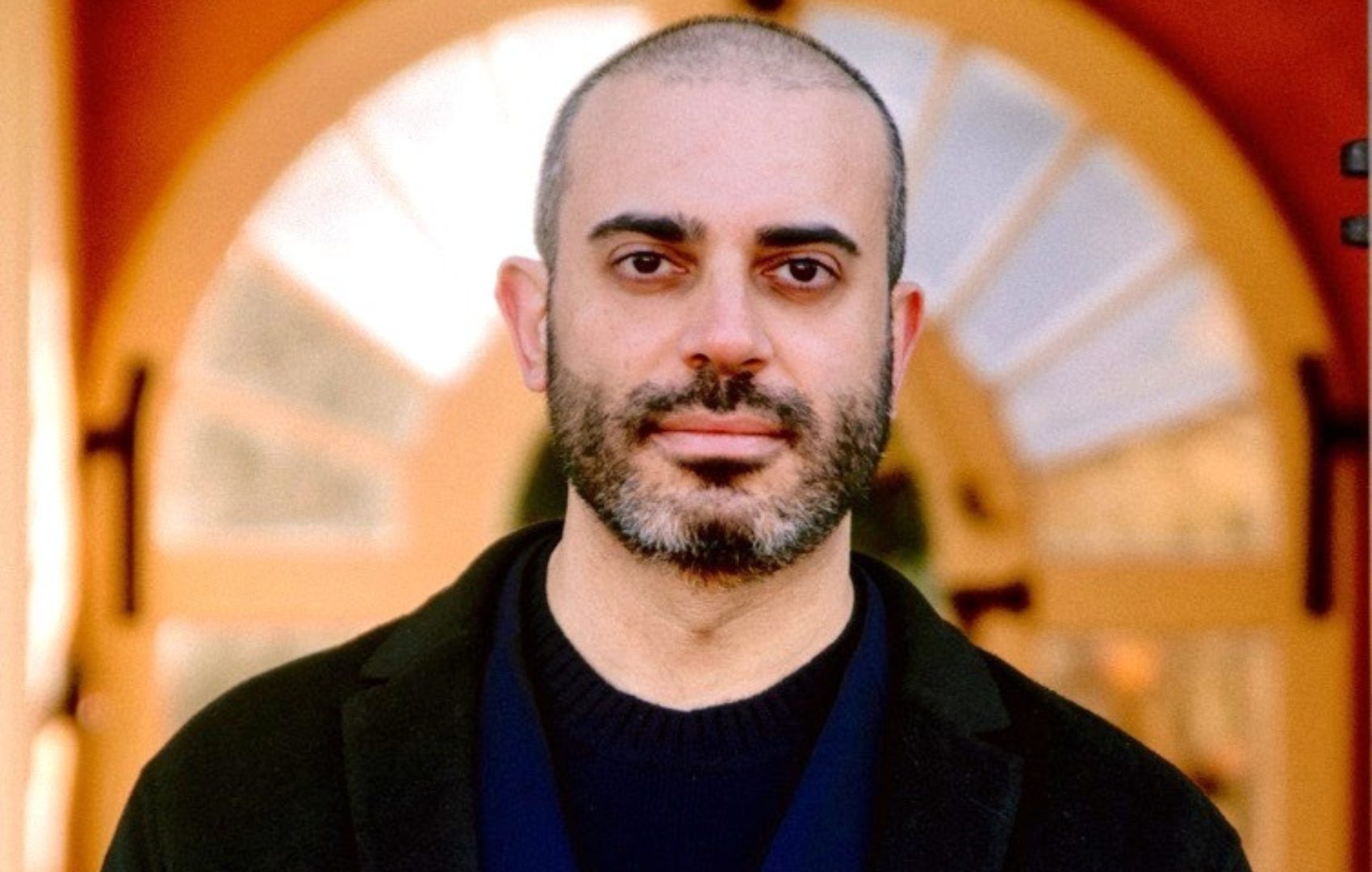
Antoine Skaff has two jobs at McGill, and his mandate for both positions is the same: to make the University an even better place to work and study.
Skaff serves as Senior Advisor, Operations and Priorities, in the Faculty of Science, where he assists with problem solving and strategic planning. He’s also been temporarily assigned to work as a Specialist on Horizon McGill’s Reporting working group, which aims to decrease the time and resources spent preparing institutional reports.
Skaff has an academic background in governance and professional experience in finance and project management; he previously served as Director of Finance for Doctors Without Borders in Juba, South Sudan.
He describes his McGill roles as “fixing pain points, unblocking bottlenecks, streamlining processes and simplifying changes.
“People tend to avoid change because it often looks like an extra layer on top of what they’re already doing,” said Skaff. “My job is to simplify changes and make them worth adopting so they translate into everyday practice.”
He believes Horizon McGill can improve how the University operates and empower McGillians going forward, making it easier for them to find the information they need and freeing them to spend time on other tasks.
Providing focus and clarity
Skaff said he joined Horizon McGill to better understand how the University operates. The Reporting working group is led by Guylaine Beaudry, Trenholme Dean of Libraries, and Edyta Rogowska, McGill’s Secretary-General.
The group began by identifying, analyzing and mapping all of McGill’s institutional reports. There are over 60 of them, many of which are submitted to Senate and the Board of Governors.
“Some support decision-making or are tied to compliance, while others are primarily informational,” said Skaff. “We’re looking at each one as a part of an ecosystem and asking, ‘What is its purpose, who is it for, and what do they actually need to know? Where do these reports overlap, and where can we reduce waste and eliminate duplicate efforts?’”
Some units provide updates annually, while others do so multiple times a year; some may consist of concise raw data, while others extend to dozens of pages of narrative analysis. Skaff anticipates some reports will be maintained while others may be streamlined or merged.
“Yes, our working group’s mandate is to decrease the time and resources spent preparing reports, but I see that more as a key performance indicator evaluating the success of our work,” said Skaff. “What matters most is having reporting that is clear, coherent, reliable and aligned with what stakeholders need and expect from it.”
He said he hopes his group’s efforts and those of Horizon’s nine other working groups will “reduce noise and provide more focus and clarity. This is an opportunity for McGill to reflect, ask questions and embrace transformation in a calm, holistic way, rather than in a reactive way.”