Indigenous Awareness Weeks, McGill’s annual celebration honouring Indigenous knowledge, returns to McGill’s campuses Sept. 18-30.
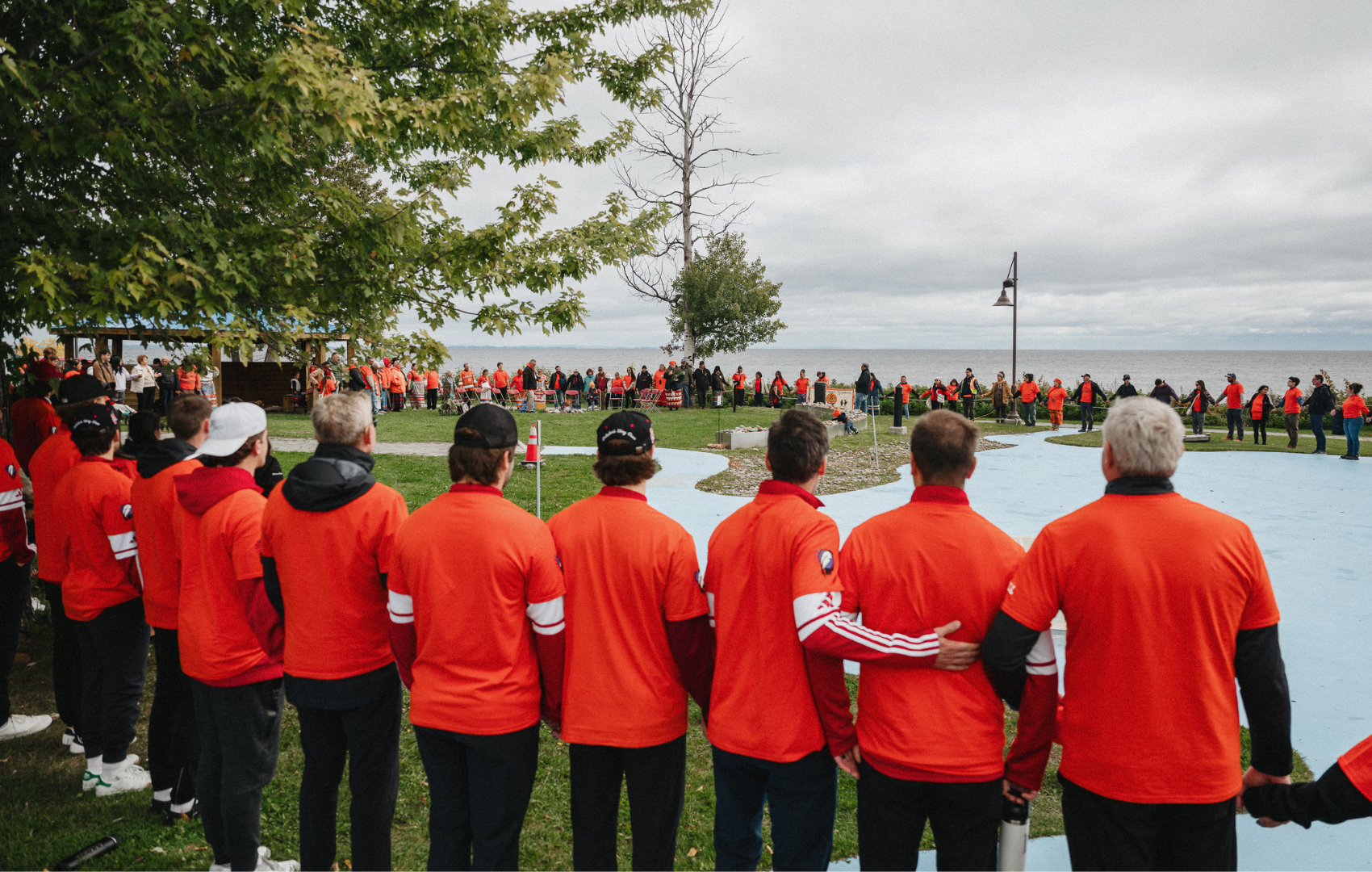
This year’s lineup includes a keynote presentation by Orange Shirt Day founder Phyllis Webstad, a film screening featuring residential school survivor Elder Betty Ross, presentations from visiting academics as well as annual events such as the McGill Pow Wow, the legacy lacrosse game and observance of the National Day for Truth and Reconciliation.
“Indigenous Awareness Weeks has become an important tradition at McGill because it creates space for conversations, connections and learning that can be transformative,” said Celeste Pedri-Spade, Associate Provost (Indigenous Initiatives).
“As we mark its 15th anniversary, we celebrate the many people who have contributed their knowledge, stories, talents and leadership over the years. I invite our community to join us in reflecting on where we’ve been, where we are now and the future we are working to build together.”
A full event list is available from the Office of Indigenous Initiatives.
Learning from Indigenous Peoples
This year’s keynote speaker is author and activist Phyllis Webstad from Stswecem’c Xgat’tem First Nation in British Columbia. Webstad is a residential school survivor and the founder of Orange Shirt Day, the annual Sept.30 observance that inspired the creation of Canada’s National Day for Truth and Reconciliation. Webstad will speak at Macdonald Campus on Sept. 21, in advance of the federal statutory holiday.
Another residential school survivor, Elder Betty Ross from Pimicikamak Cree Nation in Manitoba, will attend a Sept. 24 screening of Return to the Falls, a docudrama based on her life story, followed by a discussion about the film.
“The strength of this year’s program comes from the people who have chosen to share their stories, knowledge, creativity and lived experiences with our community,” said Brittanny Janvier, Director of the Office of Indigenous Initiatives. “We’re honoured to welcome them to McGill.”
Fostering dialogues
McGill will also host visiting Indigenous academics.
Kanatase Horn, an Assistant Professor in the Department of Criminology at the University of Ottawa and a member of the Kanien’kehá:ka (Mohawk) community of Kahnawà:ke, will discuss Pretendianism as Settler Colonial Harm: Settler Violence and the Precarity of Criminalization within the R v. Manji Decision, on Sept. 28.
Jarita Greyeyes, an Assistant Professor in the Department of Indigenous Studies at McMaster University and a nēhiyaw of the Muskeg Lake Cree Nation, in Saskatchewan, will speak on Indigenous academic leadership and institutional transformation.
Many McGill departments helped bring this year’s events to life.
“I’m incredibly thankful for the partnerships we’ve built throughout the planning of Indigenous Awareness Weeks 2026,” said Pasha Partridge, Indigenous Representation and Events Officer at the Office of Indigenous Initiatives.
“At a university as large and diverse as McGill, our units and departments each bring their own perspectives, priorities and strengths. It’s always meaningful when we can come together, collaborate and turn our shared ideas into events that bring people and communities together.”
Legacy events
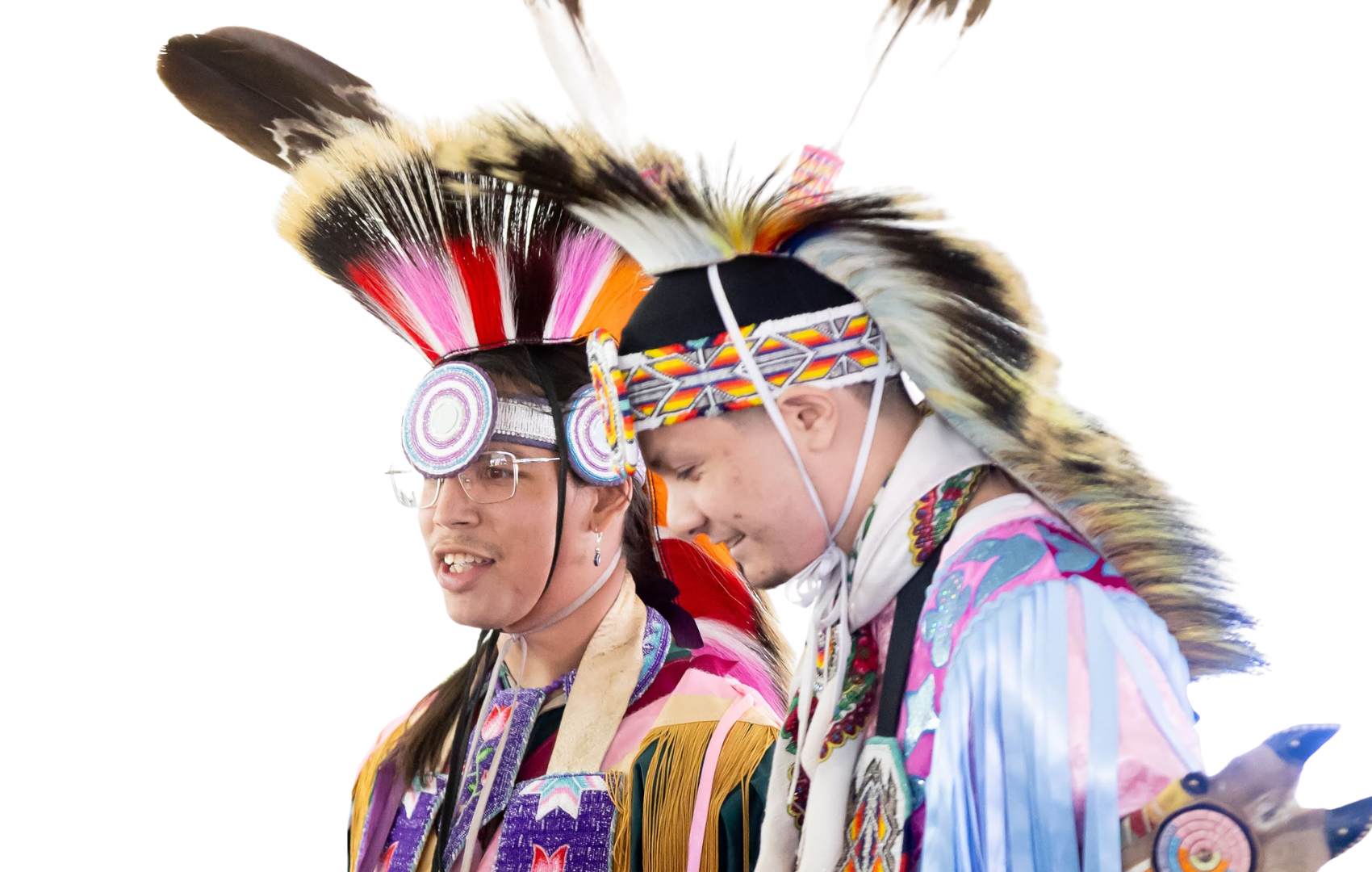
This year’s events will kick off with the McGill Pow Wow. This year marks 25 years since the annual tradition began.
Additional events include talks by authors, a symposium hosted by the Centre for Indigenous Peoples’ Nutrition and Environment (CINE) at Macdonald Campus and a Truth and Reconciliation game hosted by the McGill women’s soccer team.
“This year feels especially meaningful as we celebrate 15 years of Indigenous Awareness Weeks at McGill,” said Janvier.
“What started as an opportunity to raise awareness has grown into a space for dialogue, relationship-building, celebration and sometimes-difficult but necessary conversations. We’re grateful to everyone who has helped shape Indigenous Awareness Weeks over the past 15 years.”