
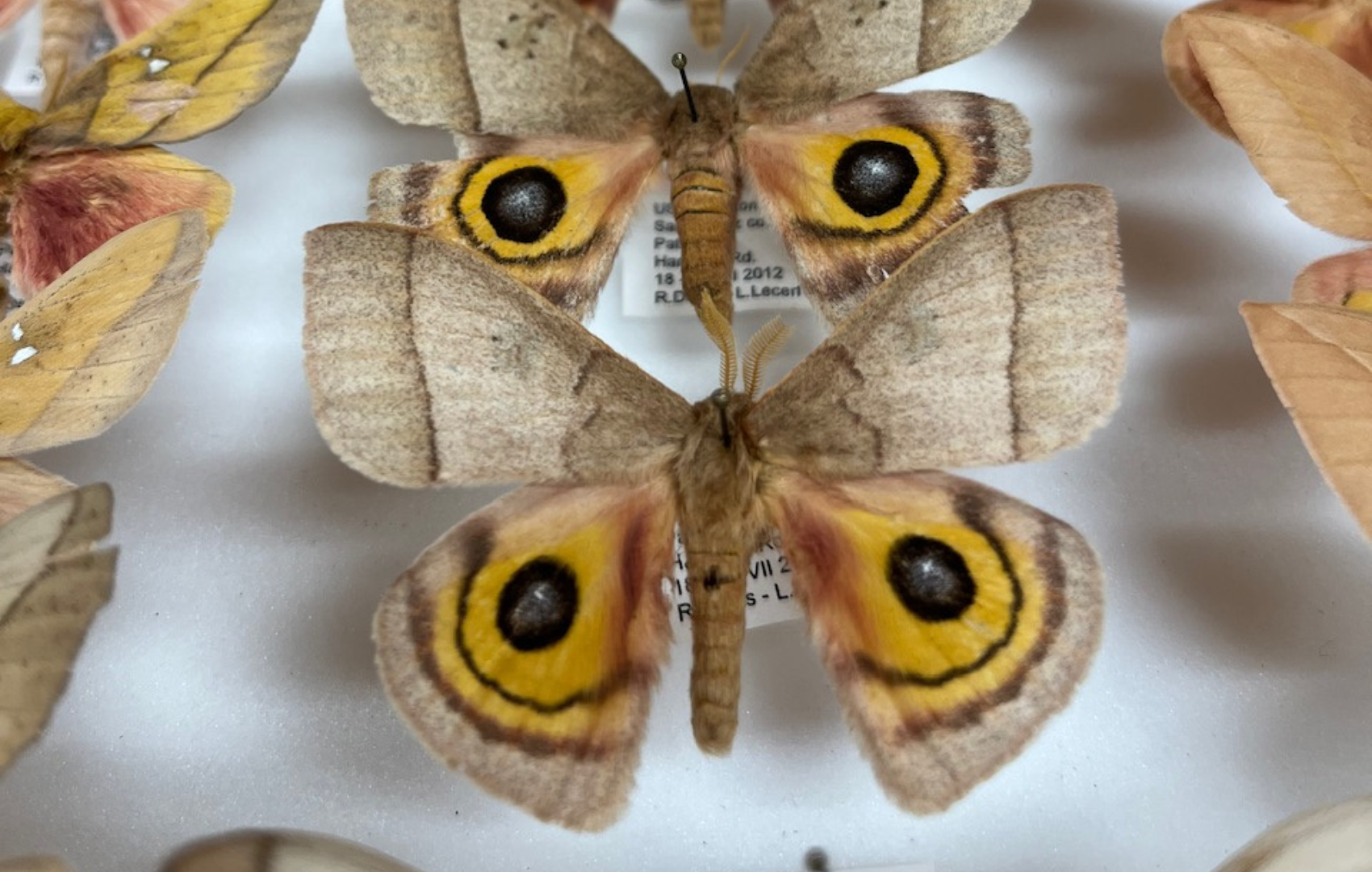
McGill’s invaluable collections of insect and plant specimens have been protected from flood threats, thanks to funding from McGill’s Sustainability Projects Fund.
The McGill Herbarium houses over 140,000 pressed plants spanning over 200 years; the Lyman Entomological Museum is home to over three million insects, making it the second-largest collection in Canada. Both can be found in the basement of the Centennial Centre on Macdonald Campus.
The funding has allowed the collections’ cabinets to be raised, ensuring their continued availability for teaching, research and biodiversity studies for many years to come.
“As biodiversity changes around us, these collections become increasingly valuable, because they provide a physical record of the natural world,” said Stéphanie Boucher, Curator of Entomology and Academic Associate at the Lyman Entomological Museum.
“They’re an amazing irreplaceable record,” confirmed Frieda Beauregard, Curator of the McGill Herbarium. “People are pretty blown away by what we’ve got.”
Cabinet of curiosities
The collections’ rows upon rows of austere cabinets belie their invaluable contents.
The Lyman’s prized possession is a beetle collected during the voyage of the HMS Beagle, probably by Charles Darwin himself.
The Herbarium has plants collected in Montreal over two centuries ago, when McGill’s downtown campus was wild pastureland.
All specimens were at risk. The Centennial Centre had been subject to flooding, most recently in 2024, damaging hundreds of specimens. It was recommended the storage cabinets be elevated to protect their contents from possible future events, and both Boucher and Beauregard the Sustainability Projects Fund, which is dedicated to campus projects that advance sustainability.
“Much of [the collections’] material represents unique historical records collected over decades, which cannot be replaced,” said Boucher. “Rebuilding collections would be impossible in many cases.”
Supporting sustainability
Valued at over $1 million annually, the Sustainability Projects Fund is the largest fund of its kind in Canada. It’s available exclusively to McGill students, faculty and staff, and has already funded over 450 projects, big and small.
Beauregard and Boucher consider themselves to be environmentally conscious – “we bleed green,” said Beauregard – and believed their project qualified. Protecting their collections from damage would preserve irreplaceable biodiversity data, ensure continued community outreach activities and reduce replacement costs; the work also used sustainable materials.
“[This project] offers a practical and transferable approach to improving climate resilience in collection management at McGill and beyond,” stated Boucher in the Sustainability Projects Fund application.
That application was approved by members of the Fund’s governance council and the work was completed this summer; the storage cabinets now sit on 17cm risers, offering better protection against any flooding.
A cause for celebration
Typically, access to the collections is available to researchers only by appointment. However, both the Herbarium and the Lyman Entomological Museum will host tours on Thursday, Sept. 24; places are limited and registration is required.
The tours are part of McGill’s Biodiversity Festival, with celebrations taking place on the downtown and Macdonald campuses as well as at Gault Nature Reserve.
For McGill members considering launching a sustainability project of their own, “I would encourage people to apply,” said Boucher. “Working with the Sustainability team was a very positive and collaborative experience.”